LMS
LMS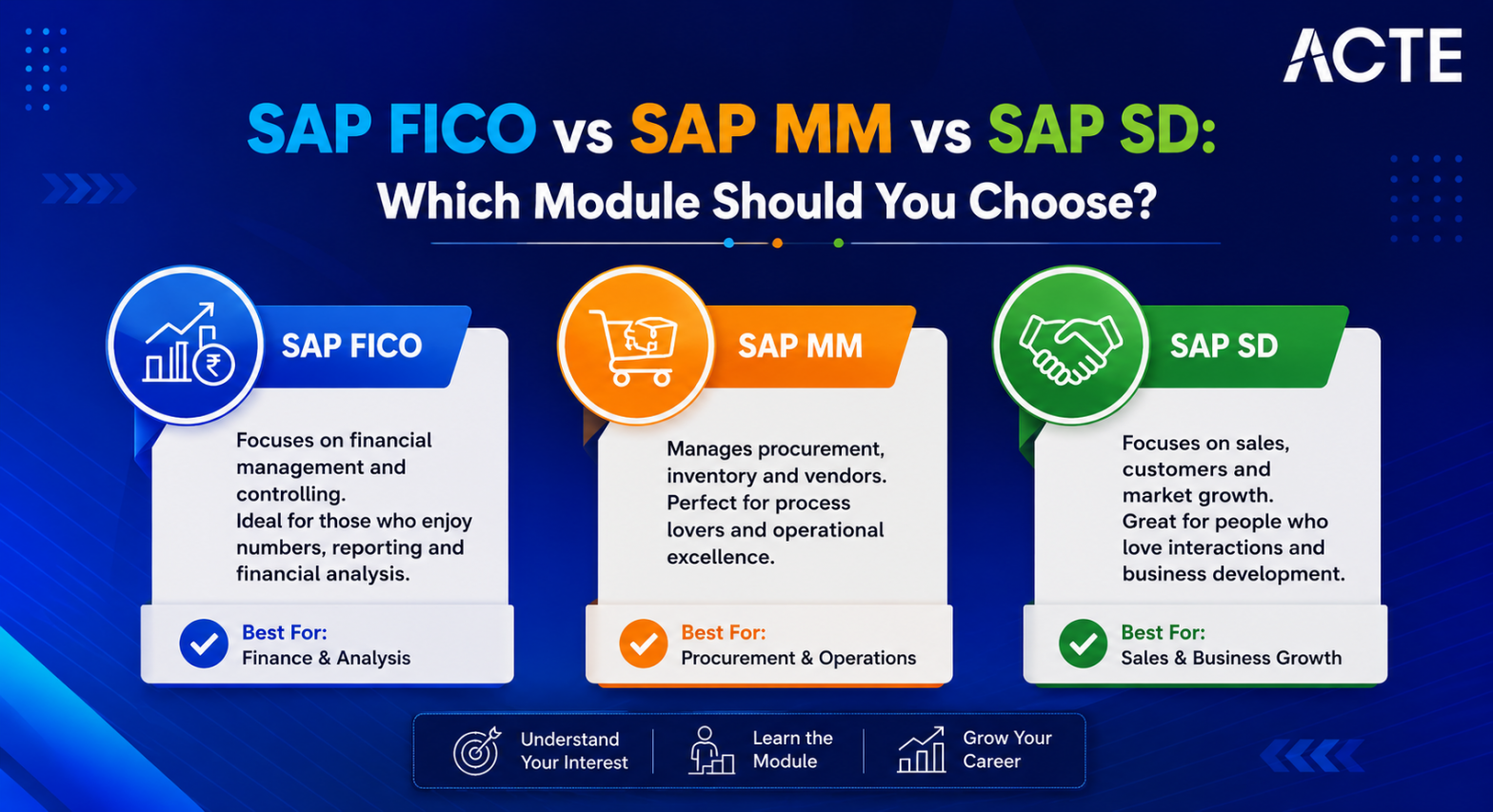
Last updated on 11th May 2026| 11378

- Introduction SAP FICO vs SAP MM vs SAP SD
- SAP FICO: The Financial Backbone
- SAP MM: The Supply Chain Engine
- SAP SD: The Revenue Generator
- Matching Modules to Your Educational Background
- Evaluating the Learning Curve and Certification Path
- Analyzing Long-Term Career Growth and Salary
- Choosing Based on Your Ideal Work Environment
- Conclusion
Introduction – SAP FICO vs SAP MM vs SAP SD
Picking the right SAP module for SAP FICO vs SAP MM vs SAP SD massive decision for any fresher looking to break into enterprise software. The debate usually boils down to SAP FICO, SAP MM, and SAP SD because these three power the most critical operations of any business. FICO manages the money, MM manages the materials, and SD manages the customer sales. in SAP FICO Training You cannot make this choice based solely on which module has the most job postings on a random job board. You have to align your choice with what you actually studied in college and what kind of daily tasks keep you engaged. Ignoring your natural interests will only lead to burnout a few years down the line. Each of these modules requires a completely different mindset and interacts with different types of stakeholders. Taking the time to analyze these differences now saves you from a costly career pivot later.
SAP FICO: The Financial Backbone
SAP FICO is the undisputed heavyweight of the SAP ecosystem, handling all financial accounting and internal cost controlling. Every single transaction in a company eventually flows into FICO to be recorded in the general ledger. It is the perfect fit for freshers who have a commerce background, a B.Com degree, or an MBA in finance. The module requires you to understand standard accounting principles, balance sheets, and profit-and-loss statements. Because it deals with strict financial compliance, SAP FICO Training hleps the learning curve is steep, but this naturally filters out unqualified candidates, reducing your competition in the job market. Once you establish yourself as a FICO consultant, you become indispensable to the CFO and the finance team. Companies will fiercely protect their finance resources during economic downturns because the business cannot legally operate without accurate financial reporting. This inherent job security makes the initial steep learning curve entirely worth the effort.
Ready to Get Certified in SAP BASIS ? Explore the Program Now SAP BASIS Training Offered By ACTE Right Now!
SAP MM: The Supply Chain Engine
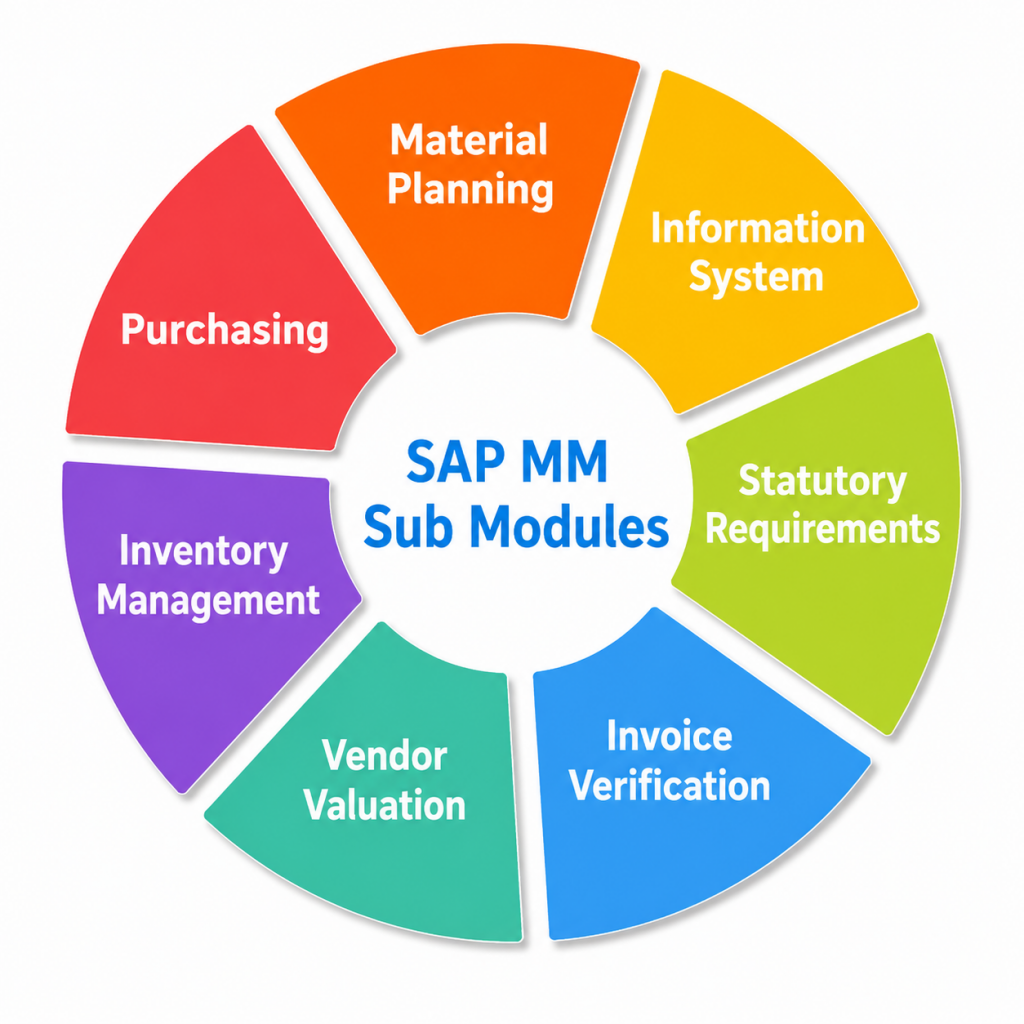
SAP MM (Materials Management) is one of the most important modules in the SAP ERP ecosystem. It acts as the backbone of procurement, inventory control, and material planning within an organization. From purchasing raw materials to managing warehouse stock and coordinating with suppliers, SAP MM ensures that the right materials are available at the right time and at the right cost. Industries such as manufacturing, automotive, pharmaceuticals, retail, oil & gas, and FMCG heavily rely on SAP MM to streamline their supply chain operations.
- Managing the Procurement Cycle: SAP MM handles the entire process of buying goods, from creating a purchase requisition to finalizing the purchase order. It teaches you how external vendors interact with the company. This end-to-end visibility is crucial for keeping supply chains running smoothly.
- Inventory and Warehouse Management: A massive part of MM is tracking exactly what materials are sitting in the warehouse. The system automatically updates stock levels when goods are received or issued.Explore more using Best Sap Course for Freshers. This real-time tracking prevents expensive overstocking and ensures production lines never halt due to missing parts.
- Vendor Master Data and Evaluation: MM maintains detailed records of all suppliers, including their pricing, delivery history, and quality ratings. Mastering this evaluation process helps procurement teams choose the best vendors. It is a highly practical skill that directly impacts the company’s bottom line.
- Material Valuation and Accounting: MM works closely with finance to determine the value of the inventory. It calculates moving average prices and standard costs for raw materials. Understanding this bridge between supply chain and finance makes you a much stronger consultant.
- Purchase Order and Invoice Verification: SAP MM automates the purchase order approval and invoice verification process. It ensures that vendor invoices match the purchase order and goods receipt before payment is processed. This three-way matching process reduces errors, prevents fraud, and improves financial accuracy.
- Material Requirement Planning (MRP): MRP is one of the most powerful features connected with SAP MM. It helps organizations forecast material demand based on production schedules and sales requirements.Expole more using How Long Does It Take To Learn SAP For Freshers, This ensures businesses maintain optimal inventory levels while avoiding shortages or excess stock.
- Integration with Other SAP Modules: SAP MM integrates closely with modules such as SAP SD (Sales and Distribution), SAP PP (Production Planning), SAP WM (Warehouse Management), and SAP FI (Finance). This integration creates a seamless flow of information across departments, improving operational efficiency and business transparency.
- Source Determination and Vendor Selection: SAP MM helps businesses identify the best vendors using automated source lists, quota arrangements, and pricing conditions. Organizations can compare suppliers based on cost, delivery performance, and reliability before making procurement decisions.
- Batch Management and Quality Control: Companies dealing with sensitive products such as pharmaceuticals or food products use SAP MM to track material batches and maintain quality standards. Batch management ensures traceability and compliance with industry regulations.
- Reporting and Analytics: SAP MM provides powerful reporting tools that help businesses analyze procurement trends, stock movements, vendor performance, and inventory turnover. These insights support smarter decision-making and cost optimization strategies.
- Career Opportunities in SAP MM: Skilled SAP MM consultants are in high demand across industries because every company depends on procurement and inventory management. Professionals can work as SAP MM Consultants, Procurement Analysts, Inventory Specialists, Supply Chain Consultants, or ERP Functional Consultants. With experience, consultants can also move into SAP S/4HANA implementation projects and leadership roles.
- Ideal Background for MM: This module is an excellent fit for freshers with degrees in supply chain management, logistics, or industrial engineering. Manufacturing and retail companies are constantly hiring MM consultants to optimize their buying processes and reduce procurement costs.
Learning SAP MM not only builds technical ERP knowledge but also develops a deep understanding of real-world supply chain operations. Since procurement and inventory management are critical for every business, SAP MM remains one of the most stable and rewarding career paths in the SAP ecosystem.

SAP SD: The Revenue Generator
SAP SD focuses on the “Order to Cash” cycle, making it the most dynamic and fast-paced module in the SAP suite. It covers everything from receiving a customer inquiry to processing the sales order, shipping the product, and finally generating the invoice. SD is highly recommended for freshers who have an MBA in marketing or those who simply enjoy client-facing roles over back-office number crunching. Explore more Top companies hiring SAP freshers and You will spend your time configuring complex pricing procedures, setting up discount structures, and managing shipping logistics. Because sales strategies change rapidly to respond to market competition, SD consultants are always in demand to tweak the system configurations. Working in SD means you are directly responsible for the systems that bring revenue into the business. The energy on an SD implementation team is usually very high because your configurations have an immediate, visible impact on the customer experience. If you want a career where your work directly fuels business growth, SD is the place to be.
Excited to Obtaining Your SAP FICO Certificate? View The SAP BASIS Training Offered By ACTE Right Now!
Matching Modules to Your Educational Background
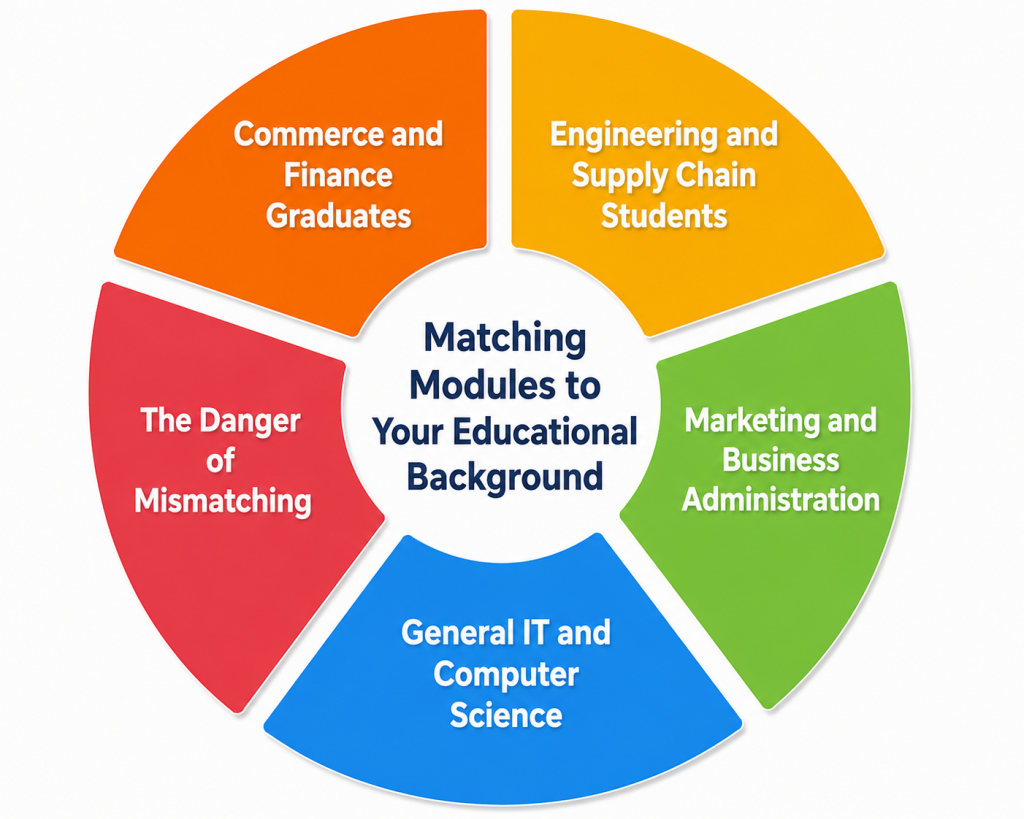
- Commerce and Finance Graduates: If you have a B.Com, M.Com, or a background in chartered accountancy, SAP FICO is your natural habitat. The concepts of debits, credits, and tax calculations will feel familiar to you. This prior knowledge makes clearing FICO interviews much easier.
- Engineering and Supply Chain Students: Freshers with a mechanical or industrial engineering degree, or those who studied supply chain logistics, should lean heavily toward SAP MM. You already understand how factories operate and how materials flow. Translating this to MM configuration is a very smooth process.
- Marketing and Business Administration: If you hold an MBA with a specialization in marketing or sales, SAP SD is the most logical choice. You understand customer psychology, distribution channels, and pricing strategies. SD allows you to apply these business theories directly into software configuration.
- General IT and Computer Science: If you are from a pure coding background but want to move into functional consulting, SD is often the easiest to pick up because the business logic is very straightforward. However, you could choose any module if you are willing to learn the business side from scratch.
- The Danger of Mismatching: Choosing FICO just because it pays well when you actually hate accounting is a recipe for disaster. Interviewers will easily spot your lack of genuine interest in the subject matter. Always let your educational foundation guide your module selection to ensure a natural, confident interview performance.
Are You Considering Pursuing a SAP BASIS Master’s Degree? Enroll For SAP FICO Expert Masters Program Training Course Today!
Evaluating the Learning Curve and Certification Path
The effort required to learn each of these modules varies significantly and should factor heavily into your decision. SAP FICO has the steepest learning curve because you must master strict accounting rules before you can even touch the configuration screen. SAP MM sits in the middle, requiring you to Expolre more using Build Strong Resume for SAP Freshers and understand procurement flows and basic inventory math. SAP SD is generally considered the easiest for beginners to grasp because the sales process is something everyone intuitively understands as a consumer. When it comes to certification, all three modules offer associate-level exams that cost roughly the same. However, the time you spend preparing for the FICO exam will be much longer compared to the SD exam. Do not let a difficult learning curve scare you away from a module that aligns with your degree. The modules that are harder to learn usually have less competition in the job market. Earning a tough certification proves to recruiters that you have the discipline to handle complex enterprise challenges.
Set to Ace Your SAP FICO Job Interview? Check Out Our Blog on SAP FICO Interview Questions & Answer
Analyzing Long-Term Career Growth and Salary
- Initial Salary Packages: In most markets, SAP FICO consultants command a slightly higher starting salary than MM or SD freshers. This is purely due to the specialized accounting knowledge required. However, the gap closes rapidly as everyone gains a few years of real-world experience.
- Freelancing and Consulting Rates: Experienced FICO consultants often charge the highest hourly rates in the freelance market because their work is tied to legal compliance. Top SAP Modules and MM and SD consultants also command premium rates, but their work is sometimes viewed as more operational rather than statutory.
- Transition to Management: All three paths offer a clear route to becoming a project manager or a delivery lead. However, FICO consultants often move into CFO advisory roles, while SD consultants frequently transition into CRM or digital marketing leadership positions within IT companies.
- Resilience to Automation: Basic data entry in MM and SD is slowly being automated by AI tools. However, the complex configuration and problem-solving aspects of all three modules remain safe. FICO is particularly insulated from automation because human judgment is required for complex tax and compliance issues.
- Global Mobility: Every country in the world uses the FICO module because every business has to report taxes and profits. While MM and SD are also globally recognized, FICO gives you the most unrestricted access to international job markets, especially in financial hubs like New York, London, and Singapore.
Choosing Based on Your Ideal Work Environment
Your daily work environment looks drastically different depending on SAP FICO vs SAP MM vs SAP SD module you choose. SAP FICO consultants usually work in very structured, quiet environments dealing with auditors and strict month-end deadlines. It is detail-oriented and requires a high tolerance for staring at spreadsheets and financial reports. SAP MM consultants often split their time between a desk and the actual warehouse floor, especially during the initial implementation phase. in SAP FICO Training You might have to wear a hard hat and walk through a factory to understand how raw materials are received. SAP SD consultants spend a lot of time in meeting rooms talking to the sales and marketing teams, figuring out how to translate their promotional ideas into system configurations. Think carefully about what kind of office life you want before you make your choice. If you hate sudden deadlines, FICO month-end closing might stress you out. If you hate going out into the field, MM warehouse audits will frustrate you. Pick the environment where you naturally feel the most comfortable and productive.
Conclusion
Deciding between SAP FICO vs SAP MM vs SAP SD is not about finding an objective winner, but about finding the right fit for your specific profile. FICO is the safe, high-paying route for numbers people. MM is the practical, operational route for logistics enthusiasts. SD is the fast-paced, revenue-focused route for outgoing marketing minds. Take a hard look at your college degree, your natural strengths, and the type of daily tasks that keep you engaged. Once you make your choice join our SAP FICO Training, commit to it fully and dive deep into the configuration side of the software. Trying to learn two modules at once as a fresher is the fastest way to fail at both. Employers want specialists who know every single corner of their chosen module, not generalists who have a shallow understanding of everything. Pick your lane, get certified, and start applying for roles with absolute confidence in your chosen domain.